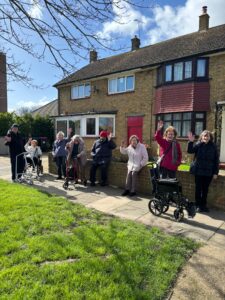
Many families consider personal care to be the best solution as it allows their loved one to stay in the comfort of their own home and continue living with dignity and freedom.
When a parent or partner starts needing help, the world shifts quickly. Small routines, getting dressed, making breakfast, remembering medications, can become stressful battlegrounds. That’s where personal care services for seniors at home step in: practical, human support that helps older people stay safe, independent and comfortable in familiar surroundings. This guide walks through the real benefits, how it works in practice, and the sensible steps families can take to find the right help.
What are Personal Care Services for Seniors at Home?
Personal care services for seniors at home are visits from trained carers who help with day-to-day activities that a person can no longer manage safely alone. These are not medical visits (though carers liaise with clinicians); they are hands-on practical supports like washing, dressing, toileting, help with mobility, prompting and assisting with medication, and providing companionship.
Personal care is flexible: it can be a short morning call to help someone get ready, a longer visit for personal hygiene and lunch preparation, or multiple visits across the day to keep someone safe and comfortable. The aim is always the same: to preserve dignity and independence in the setting the person prefers: home.
Benefits of Personal Care Services for Seniors at Home
- Keeps people independent and comfortable.
Personal care can enable your loved one to stay in the place that is most comfortable and familiar to them. They continue their daily routines, hobbies, and choose when they want to eat, sleep, and socialise. You or your loved ones can sleep in their own bed and use their own bathroom. Being in familiar surroundings can be beneficial, especially for those suffering from progressive conditions that affect memory, such as dementia.
- Maintains dignity and privacy.
Personal care is offered with sensitivity and discretion. Rather than relying on family members for intimate tasks, trained carers provide professional, respectful support that protects the person’s dignity.
- Improves safety and reduces fall risk.
Caregivers provide immediate support, which greatly reduces risks and reassures families that loved ones are safe. They ensure the minimisation of hazards, appropriate footwear and clothing use and can assist with transfers and small actions that prevent major accidents.
- Professional medication assistance.
Missed medicines can escalate health problems quickly in seniors. Caregivers help with medication reminders, blood pressure checks, observe side effects, and report concerns to GPs or district nurses.
- Better nutrition and hydration.
A carer can take care of their nutrition and hydration. They can prepare meals according to their nutritional needs. Encourage them to drink plenty of water to stay healthy.
- Emotional support and companionship.
Seniors who often live alone may experience social isolation and feelings of loneliness, which can lead to a decline in mental health. A caregiver provides company, friendly conversation, and walks. They help clients stay connected to community activities. All these reduce isolation and improve mood, overall health, and well-being.
- Personalised care.
A personal care plan is customised around your loved one’s needs. They do not need to adjust to the schedules and routines of a care home; your loved ones can enjoy their routines and daily activities. Whether your loved one only needs care for a few hours a day or requires full-time live-in care, personal care is flexible and adapts to what is best for your loved ones.
- Respite for family carers.
Caring for an elderly loved one can be rewarding but also emotionally and physically demanding. Family members often carry heavy responsibilities. Personal care gives carers a much-needed break to work, rest, or give time to other relationships. It also helps reduce stress on both seniors and family, and primary caregivers can take a fresh start.
- Faster recovery after hospital stays.
Short-term personal care packages after discharge can help with washing, wound care follow-up (in coordination with community nursing) and medication. It helps reduce the risk of infection from exposure to germs in a medical facility, readmission and support recovery at home.
- Monitoring and early intervention.
Carers notice small changes: a new limp, confusion at certain times, changes in appetite. Early reporting means GPs or community nurses can intervene before small problems become crises.
- Cost-effective compared with long-term residential care.
For many people, tailored personal care at home is more economical than moving into a care home, particularly if the need is moderate or fluctuates. Personal care at home rates are charged by the hour, so the cost of personal care can be much lower than that of a residential care facility. Long-term care insurance plans can also cover the cost of personal care at home.
- Cultural and linguistic matching.
In diverse communities, agencies often match carers who share language, faith or cultural backgrounds, which is hugely important for comfort, communication and culturally sensitive support.
- One-on-one Attention.
The personal care allows your loved one to be the primary focus of the caregiver. This one-on-one care ensures that needs are met promptly, fostering trust and stronger caregiver relationships. Because an in-home caregiver is tending to a single client.
- Family involvement.
Personal care enables your family to be a larger part of your loved one’s care plan. You will have direct communication with your loved one’s caregiver and a care manager. A good home care agency will provide you with frequent updates regarding your loved one’s care.
- Pet ownership.
The ability to stay at home means your loved one won’t have to part with their beloved pet. Pet companionship for seniors has been shown to reduce heart disease, ease loneliness, and calm dementia patients. Personal care at home can allow seniors to enjoy pet companionship with the help of their caregiver.
How to Arrange Personal Care Services for Seniors at Home?
- Start with a needs assessment.
Contact your local council/social services or a reputable agency to arrange an assessment. This identifies what tasks need doing, times of day, and whether any clinical input (community nursing) is also required.
- Consider funding and options.
Local authority assessments can lead to funded care if eligible.
Self-funders can arrange and pay for private personal care directly or use direct payments to hire carers.
NHS Continuing Healthcare may apply if health needs are primarily clinical—ask for an assessment when needs are complex.
- Choose a provider carefully.
Select a CQC-regulated agency or the relevant regulator locally. Ask how continuity of carers is maintained, staff training, DBS checks and supervision.
- Trial and review.
Start with a short trial period and review after two weeks. Good care agencies will make a care plan based on feedback and changing needs.
Questions to Ask a Personal Care Agency
- Are you CQC-regulated (or locally registered), and can I see your latest inspection report?
- How do you vet and train carers? (Ask about moving & handling, dementia, and safeguarding.)
- Will we have the same carer(s) regularly? How do you manage staff absence?
- How are visits recorded, and how will we receive updates?
- What happens in an emergency?
- What happens if a carer is late?
- What are the costs?
- How do you handle medication prompts and liaise with health professionals?
These practical questions give clarity and reduce surprises.
Final thoughts
When families choose personal care services for seniors at home, they’re choosing more than practical help. They’re choosing safety, dignity and the chance to live well in a familiar place. It helps to reduce isolation, supports better health, and makes life manageable for both the person needing care and the family who loves them. The right personal care package can transform daily life, providing small, steady support that keeps the home feeling like home.
Netto Care is your reliable partner for providing compassionate, professional personal care for your loved ones. Our highly trained staff will provide the tailored care and support that helps your loved ones live with dignity and freedom in their own home.