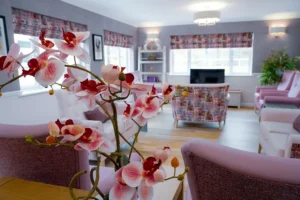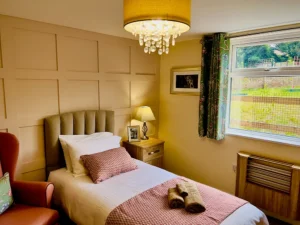
Luxury care homes mean not high-end décor, hotel-style service, or china at mealtimes. But it’s all about providing high-quality care and support, comfort, and a lifestyle that truly is a world apart.
Looking for a care home is one of the most significant decisions a family can make. It’s emotional, practical, and often time-sensitive. When your search includes the term luxury, the expectations rise: you imagine elegant surroundings, hotel-style service, chandeliers in the lounge, fine and of course, the very best care. But what does a luxury care home really mean?
It’s about residents living in beautifully furnished and decorated private rooms or suites with 24/7 care and support. Fresh, delicious food, prepared according to the dietary needs of the residents. Some care homes have other amenities, such as restaurants, hairdressers, and beauticians. In addition to high-quality care, residents receive specialised nursing and dementia care.
Luxury care homes also offer a wide array of activities and enrichment programs to cater to residents’ interests and promote social engagement. A luxury home creates an environment where residents not only feel safe but also thrive socially, emotionally, and physically. When you are considering a luxury care home for you or your loved ones, this blog will help you explore the amenities and standards a luxury care home must have.
What does a “Luxury Care Home” Really Mean?
In everyday language, luxury tends to mean high cost, polished interiors, and perhaps a little indulgence. But in the world of elder care, luxury should signal something deeper:
- Comfortable living spaces designed with both style and accessibility in mind.
- Exceptional standards of care, with personalised support plans.
- Hospitality services such as fine dining or concierge assistance.
The luxury is about the environment, staff, and care services providing support with fun and respect.
Accommodation & Environment
A welcoming building with a grand entrance or a hotel-style reception is nice. But when you’re evaluating a luxury care home, you need to look closer. It includes:
- Private en-suite bedrooms with elegant décor and plenty of natural light. Residents are allowed to bring their personal furniture, photos, and keepsakes.
- Couples’ suites, many high-end homes allow partners to stay together rather than live apart.
- Accessibility built in—wide corridors, level flooring, discreet handrails, and non-slip materials that blend safety with elegance.
- Thoughtful dementia interior, with clear signage, memory walls, and familiar domestic layouts to reduce anxiety.
- Inviting outdoor spaces, from landscaped gardens to walking paths, which promote relaxation and wellbeing.
Luxury should mean durable, safe, and homely—not just visually impressive.
Fine Dining
One of the joys of daily life is good food, and in care homes, meals set the rhythm of the day. In a luxury care home, dining should feel closer to a fine restaurant than a canteen.
- Flexible dining times.
- Restaurant-style service, staff who serve meals.
- Diverse menus that offer variety and nutrition.
- Dietary accommodation, from cultural dishes to special medical diets. A resident who wants their favourite comfort meal should feel heard.
- In-room or private dining options for those who prefer quiet meals or family celebrations.
Ask if you can sample a meal during your visit—it’s often the best indicator of how seriously food quality is taken.
Clinical Excellence
Behind the stylish lounge and landscaped garden lies the core of any care home: its clinical care. A luxury label is meaningless without robust health support. It should have:
- 24/7 nursing or immediate access to registered nurses, particularly for those with complex conditions.
- Residents have access to therapies, such as dementia therapy.
- Families are involved in care planning.
- Care homes have strict clinical governance, medication safety, and infection control.
You should never compromise safety over luxury.
Activities & Enrichment
A rich programme of activities distinguishes an excellent luxury care home. It keeps people busy, but your loved one has fun they like.
- Diverse calendars, such as art classes, music therapy, book clubs, and film nights.
- Physical wellbeing sessions, such as yoga, chair exercises, or guided walks.
- Opportunities for purposeful roles, like gardening, cooking clubs, or mentoring younger visitors.
- Community links, with outings to local theatres, cafés, or community groups.
- Personalised engagement, where activities reflect individual passions rather than a one-size-fits-all model.
Luxury care is about living with dignity and freedom, receiving great care and support.
Staff Quality
No matter how beautiful the building, the real measure of a luxury care home is its staff. Even good care home facilities are worthless without compassionate, skilled carers.
- Check recruitment processes.
- Extensive training, covering not only mandatory skills but also dementia care, end-of-life care, and person-centred approaches.
- Low staff turnover, which shows a positive workplace and ensures residents see familiar faces.
- Respect culture, staff greet residents warmly, know their preferences, and involve families as partners.
Notice and see these things during a tour: How do staff interact with residents? Do they smile, make eye contact, and use names?
Safety & Regulation
Without safety and accountability, the luxury has no worth. The Care Quality Commission (CQC) regulates care homes in the UK. CQC reports are available to the public, so you can read them before considering a care home.
- Check the latest CQC report and look at the overall rating—read the inspector’s notes.
- Ask about safeguarding policies, complaints procedures, and how incidents are handled.
- Review contracts carefully to learn about fees, notice periods, and refund policies.
- Confirm infection control measures, which have become especially critical since the pandemic.
A trustworthy luxury home will be proud of its regulatory record and open about any areas it’s improving.
Location & Community
The location of a care home plays a big role in a resident’s quality of life. A countryside estate may look stunning, but if it’s far from family, it can be isolating.
- Proximity to family makes visits easier and more frequent.
- Transport for outings and family meetings.
- Local community connections, schools, choirs, or volunteers can visit the care home.
- Nearby amenities, such as shops and worship places, help residents stay engaged with normal life.
The right balance depends on your family, but a truly luxury care home will foster community, not cut residents off from it.
Extra Services
Luxury often shows in the details. Many high-end homes now offer services that mirror those in boutique hotels:
- Concierge or lifestyle managers to book appointments, theatre trips, or family celebrations.
- Spa and salon services, offering hairdressing, manicures, and massage therapy.
- Private guest suites for family stays make visits more relaxed.
- Tech, such as fast Wi-Fi, smart TVs, and tablets for video calls.
These services are not necessary for care. But it can improve the quality of daily life.
Cost & Value
Luxury care comes with a price tag, often significantly higher than standard care homes. But value isn’t just about cost—it’s about what’s included. You should ask:
- Are all meals, activities, and laundry included?
- Are clinical services, such as nursing or therapy, part of the fee?
- What are the “extras” that may incur charges?
- How are annual fee increases managed?
The best care homes are transparent and will provide a detailed breakdown. Don’t be afraid to compare care homes and ask probing questions.
Key Questions for Families to Ask
- How often are care plans reviewed and updated?
- What training do staff receive, and how often?
- Can residents personalise their rooms fully?
- What activities are planned this week, and how much choice is there?
- What happens if medical emergencies occur?
- What is the staff-to-resident ratio, both day and night?
- Can we speak with current residents or their family members?
These questions give a clear picture of care quality.
Warning Signs
- High staff turnover.
- Rushed or disengaged staff.
- Residents who appear withdrawn.
- A smell which may indicate poor hygiene.
- Unclear answers about regulation, costs, or staffing.
- Strict activity calendar with little room for choice.
These signs are red flags you should look for. Because luxury isn’t worth much if the basics aren’t right.
Choosing a luxury care home is a bit critical. You will want excellent care plans, transparent fees, and a strong regulatory record. In person, you’ll want to feel warmth, respect, and a genuine sense of community. When you walk through the door, pay attention to the atmosphere, not just to the décor. Notice all these things and questions: Do residents look comfortable and engaged? Do staff seem approachable? Does it feel like home? Luxury in a care home isn’t about extravagance. It’s about ensuring that older adults live with dignity, joy, and the very best support.
Netto Care is one of the names that provide high-end, luxury care for your elderly loved ones in the UK. Elegantly designed rooms with attached washrooms, spacious dining rooms, vivid outdoor spaces, gardens, a library, and a cinema are a few features of our luxury care home.
Give us a call to book your tour now.